
Most people spend six to eight months thinking about a safari before they book one. They read trip reports, scroll through camp websites, try to piece together the budget, and eventually get overwhelmed — and either overbuy, underspend, or don’t go at all.
This post is the honest breakdown we wish existed. What a luxury safari actually costs, what that investment covers, and why this is one trip you should not try to piece together alone.
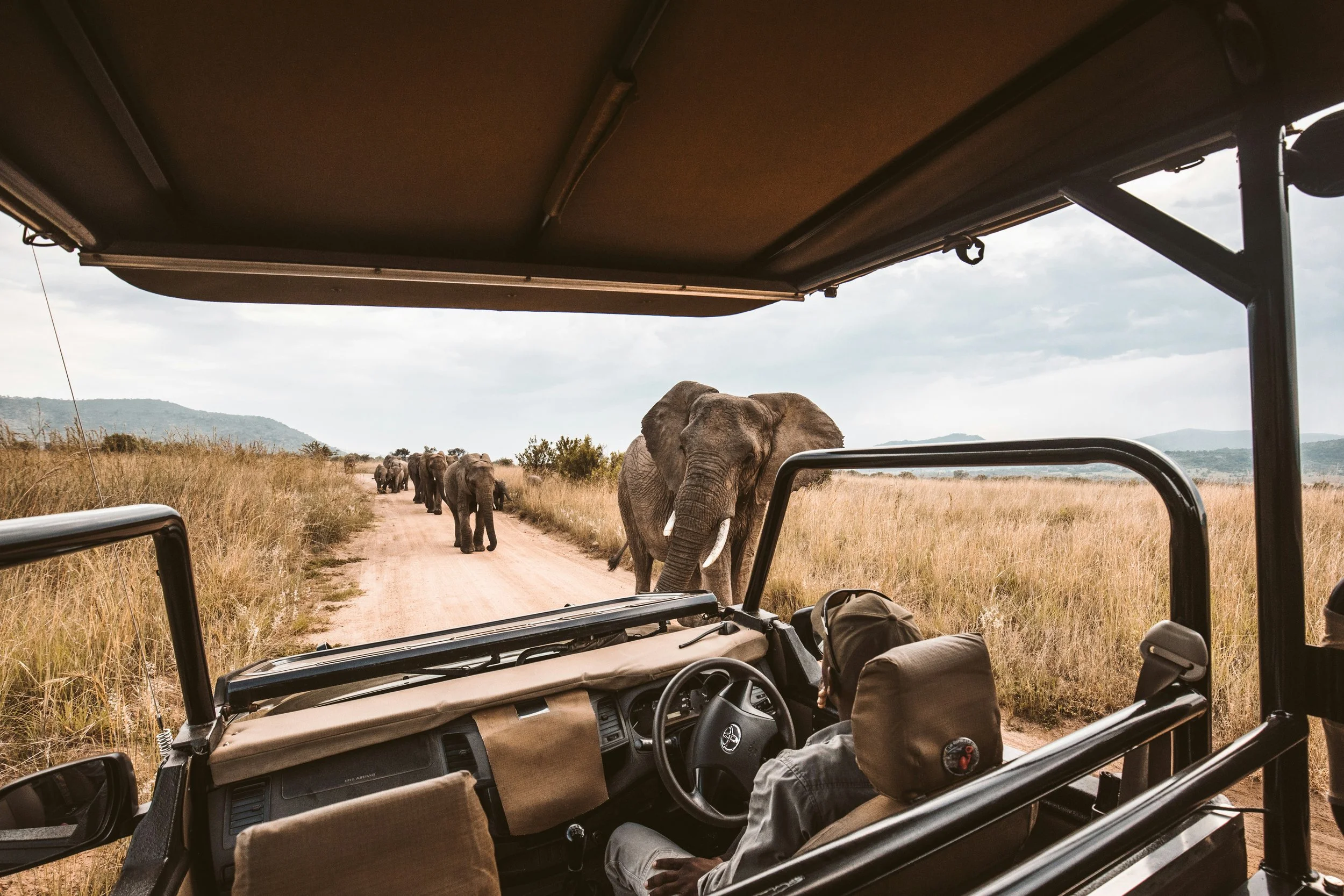
The Real Cost of a Luxury Safari (No One Talks About This)
A true luxury safari in Kenya or Tanzania runs $1000-$3000 per person per night, all-inclusive. For a 10-night trip, that is $20,000-$60,000+ per couple, depending on the camps you choose, the season, and how you structure the itinerary.
What is included? Everything. Game drives morning and evening, all meals, all drinks including premium wines and spirits, laundry, and in most cases, your park or conservancy fees. Unlike a hotel stay where the bill grows with every add-on, a luxury camp is designed so that once you arrive, the only thing left to decide is which direction to point your binoculars.
The biggest variable is not where you go — it is when. Peak season in the Maasai Mara (July through October, during the Great Migration) runs 20-40% higher than shoulder season. Botswana, particularly the Okavango Delta, commands some of the highest rates in Africa year-round due to its strict low-volume, high-value tourism policy.
Kenya vs. Tanzania: How to Choose
This is one of the most common questions we field, and the answer is genuinely “it depends” — which is not a cop-out, it’s actually the most useful thing we can tell you.
Kenya is the place to see the Great Migration — the annual movement of more than two million wildebeest and zebra across the Masai Mara. The timing window is roughly July through October, with peak drama in August. The Mara also has year-round big cat density that’s difficult to match anywhere else. Mahali Mzuri, Angama Mara, and Sanctuary Olonana are among the best properties in the region.
Tanzania gives you the Serengeti — larger, more remote, and in many ways more immersive. The Ngorongoro Crater is one of the most spectacular natural environments on the planet. Tanzania also has Zanzibar as a logical add-on: fly in from the bush, spend a few nights at Mnemba Island or Zuri Zanzibar, and decompress before the flight home.
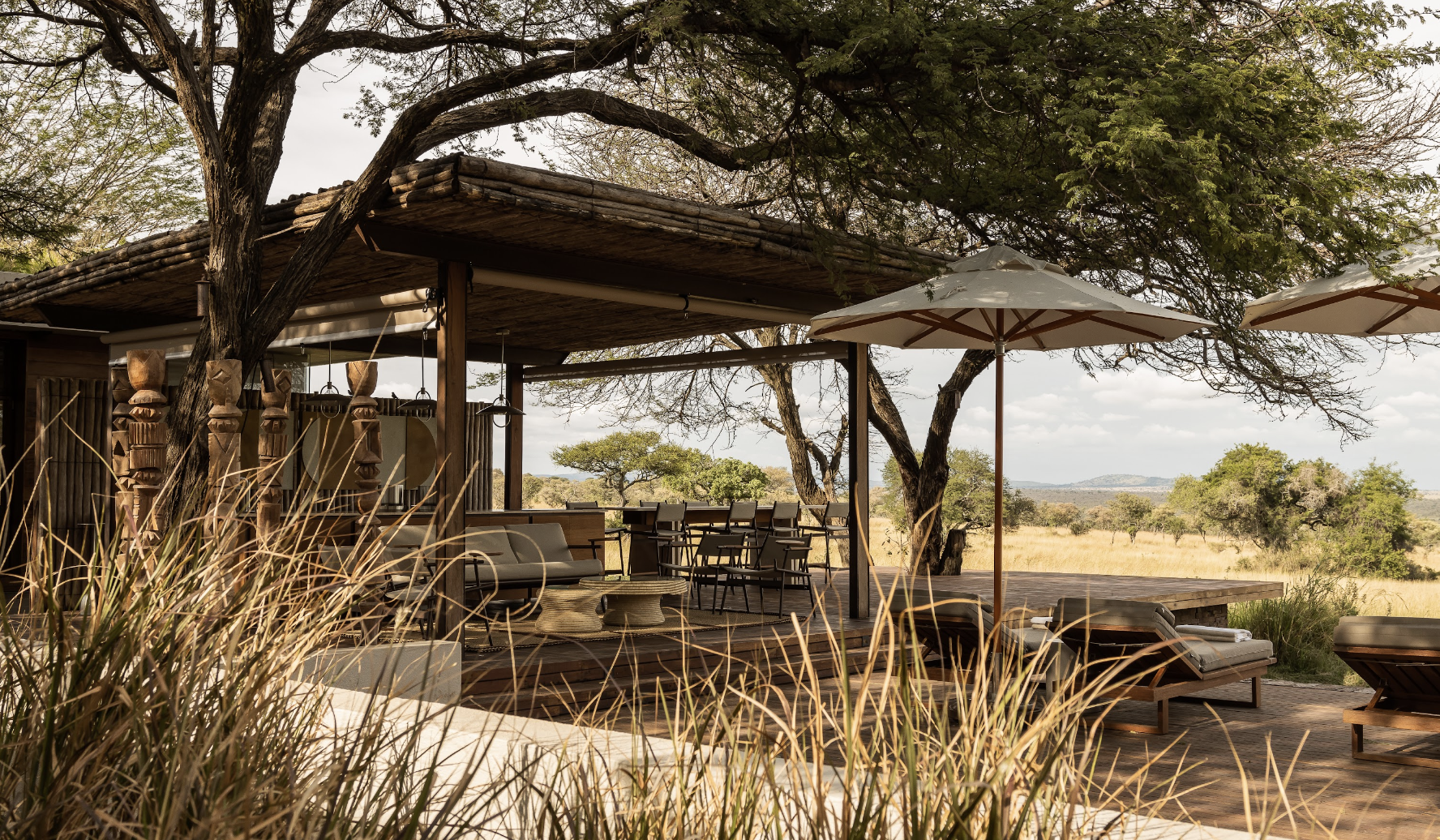
The Camps That Are Worth the Price Tag
Singita operates several properties across East and Southern Africa and is widely considered the standard against which other luxury camps are measured. Singita Grumeti in Tanzania and Singita Sabora Tented Camp are particularly exceptional. The game density on Singita’s private concessions is unmatched.
andBeyond camps are excellent for families and first-timers — they have the infrastructure and programming to handle varied groups without losing the intimacy that makes a safari worth doing. Ngorongoro Crater Lodge is one of the most visually dramatic properties in the world.
Mahali Mzuri (Branson’s camp in the Mara) punches above its price point. Twelve tents only, private game drives, and an elevation that gives you sunrise views across the Mara that are difficult to describe.
Angama Mara sits on the edge of the Rift Valley escarpment above the Masai Mara. The views are legitimately extraordinary. They also run a photography program that is worth planning around if that matters to you.
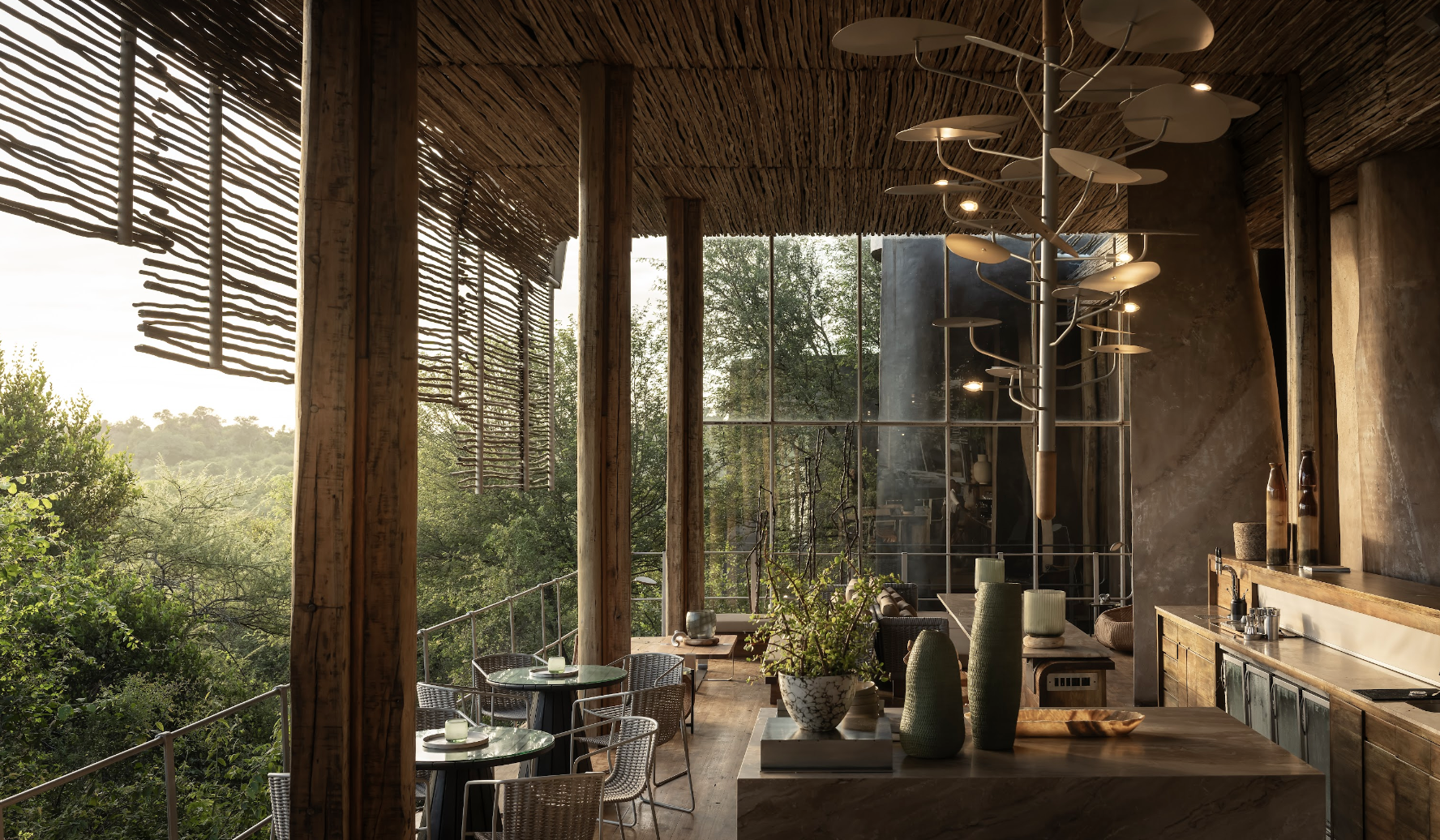
What First Class Actually Means on the Ground
A luxury safari is not just a safari with nicer linens. The differences between a mid-range camp and a top-tier one are significant and felt immediately.
Your guide-to-vehicle ratio changes. At top camps, you have a dedicated vehicle and guide. You do not share a game drive with strangers whose priorities differ from yours.
Your access changes. Private concessions have no visitor caps, no set drive hours, and no restrictions on going off-road to follow animals. Government park safaris have rules. Private concessions do not.
Your experience changes. The best camps design around immersion — the camp you return to at sunset, the bush dinner under the stars, the wake-up call for a hot air balloon at 5am. These are not extras. They are the point.
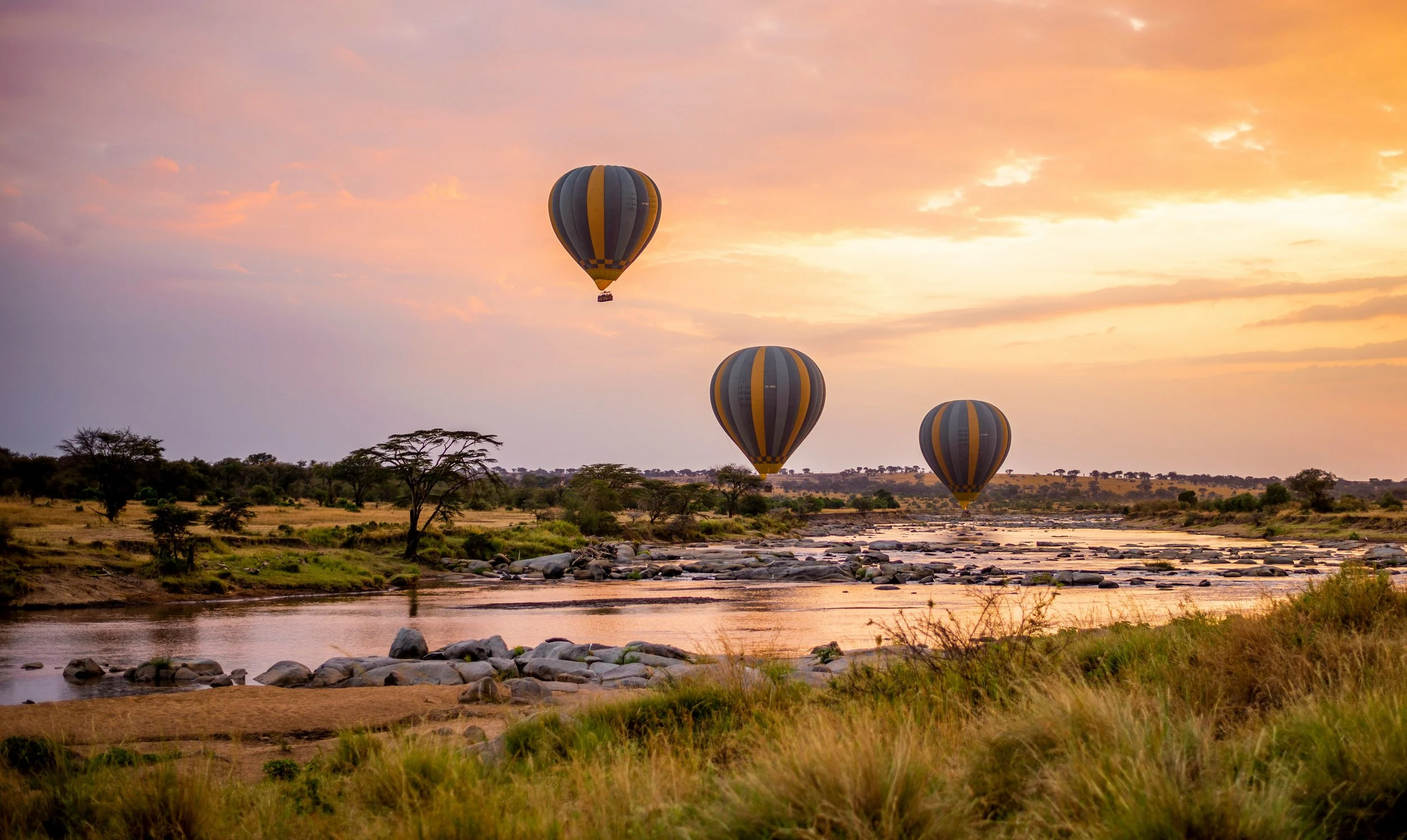
Why Booking Through an Advisor Makes a Bigger Difference
Safari planning is complex in ways that are hard to anticipate. Camp access, seasonal wildlife patterns, permit requirements, aircraft routing between camps, park fee structures — these details exist in relationships, not on websites. Knowing which camp to book, for which season, in which sequence, and with which operator is the difference between a good trip and a transformative one.
We work with local contacts and camps directly. We know which guides are exceptional, which camps are worth the premium, and which itinerary combinations create the best experience from start to finish. This is not information you can piece together from a search engine. It comes from relationships built over time.
Tell us where you want to go and what matters to you, and we’ll take care of the rest.
Photo Credit: Singita Lebombo Lodge & Serengeti House